
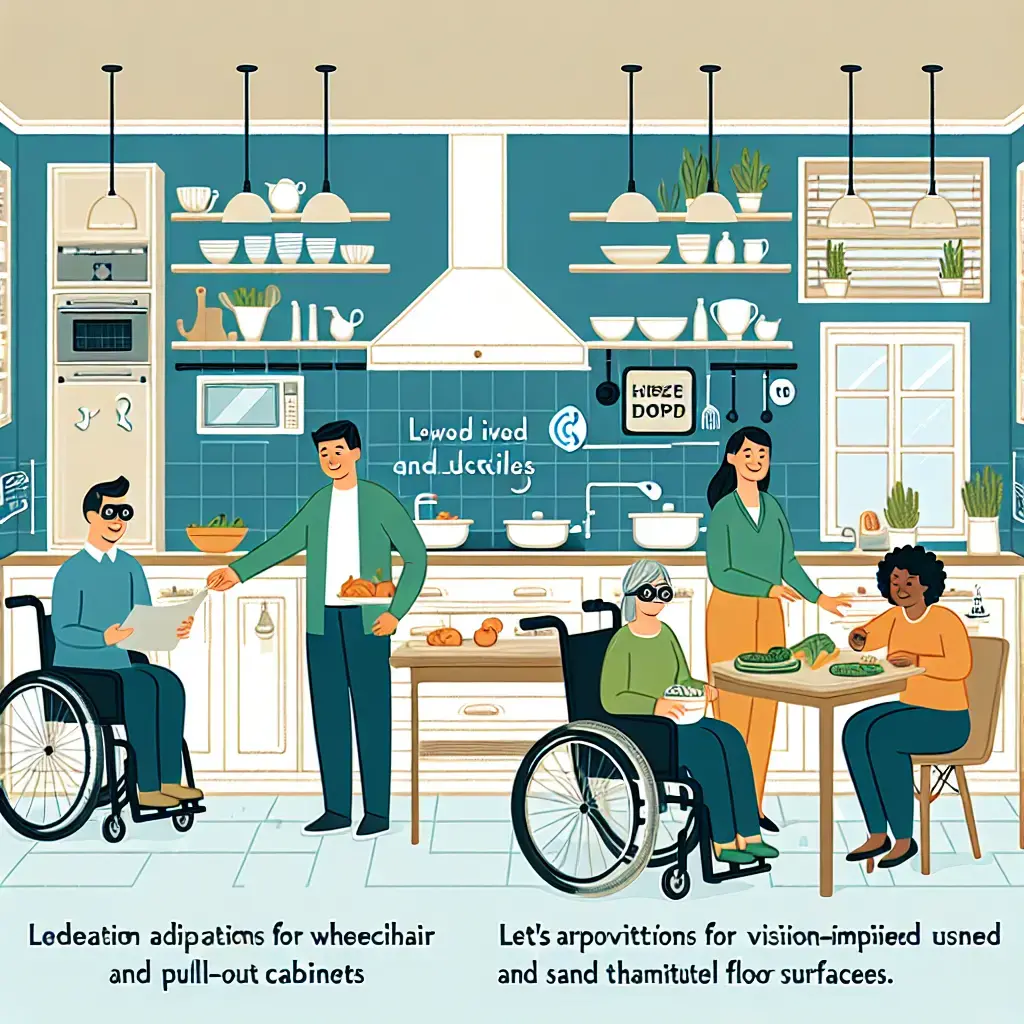
In the ever-evolving landscape of home design, accessible kitchen design has become more than just a trend; it is a necessity. With inclusivity at the forefront, creating spaces that cater to individuals of all abilities is essential. Whether you are a homeowner, designer, or architect, understanding the intricacies of inclusive kitchen design is vital. This section explores the elements of universal kitchen design, focusing on creating an environment that is ADA compliant, ergonomic, and barrier-free.
The importance of accessible kitchen design cannot be overstated. Recent incidents highlight the challenges faced by individuals with disabilities in their own homes. For example, Jenna Lovell's experience in Tasmania underscores the necessity of adaptive kitchen solutions, as her hypermobile spectrum disorder made it impossible to turn taps until legal pressure forced her landlord to accommodate her needs. Advocates also point out issues in construction codes that often exclude people with disabilities from accessible housing, as demonstrated by Belle Owen’s difficult journey to homeownership in 2023. These cases emphasize the critical role of inclusive design in fostering independence and dignity.
Accessible Kitchen Layout: Designing an accessible kitchen layout is fundamental. This includes ensuring enough space for wheelchair users to maneuver easily. Integrating wide pathways and open spaces promotes ease of movement. Barrier-free kitchens eliminate obstacles, creating a seamless flow throughout the area.
Ergonomic Kitchen Design: Ergonomic design principles are crucial for a universal kitchen design. Countertops should be adjustable or at varying heights to accommodate different needs. Accessible countertops enable everyone, including those aging in place or with mobility challenges, to engage in daily activities comfortably.
Adaptive Kitchen Solutions: Incorporating adaptive kitchen solutions can significantly enhance functionality. Features like pull-out shelves, lazy Susans, touch-activated faucets, and accessible cabinetry ensure that storage and task areas are within reach for all users. Pottery Barn’s recent furniture collection by Michael Graves Design demonstrates how thoughtful design can enhance everyday living with accessibility in mind.
Innovative Technologies and Multi-Generational Considerations
Modern technology offers groundbreaking solutions for accessible kitchen design. A notable example is CARMEN, a tabletop robot developed by researchers at the University of California San Diego to assist individuals with mild cognitive impairments by supporting memory and cognition from home. Incorporating such smart technologies into kitchen environments provides additional support for those seeking independence.
Accessible Kitchen Appliances: Selecting intuitive appliances is crucial for creating a disability-friendly kitchen. Opt for appliances with features like side-opening ovens and dishwashers that are accessible from a seated position. Integrating voice-activated controls and automated systems further supports independent living and enhances daily convenience.
Addressing Multi-Generational Needs: Aging in place kitchen design is increasingly relevant as families seek to create spaces suitable for all generations. This approach ensures that kitchens adapt to varying needs over time, accommodating both younger family members and seniors. Multi-generational kitchen design promotes inclusivity by considering factors such as slip-resistant flooring and well-lit workspaces.
Accessible Kitchen Lighting and Flooring: Proper lighting is essential for safety and functionality. Use layered lighting strategies to provide adequate illumination while minimizing glare and shadows. Choose slip-resistant, smooth flooring to prevent accidents, especially for those using mobility aids.
Overcoming Barriers and Moving Towards Inclusive Design
Despite advancements in universal design, significant challenges remain. In some regions, like NSW, the lack of mandatory accessibility guidelines keeps fully inclusive spaces out of reach for many, as seen in Julie’s vision of her ‘utopian life.’ Balancing affordability with functionality is also crucial; complex systems like Michigan's no-fault auto insurance overhaul demonstrate how policies can impact people with disabilities. Continued advocacy and awareness are needed to ensure accessible home design becomes widespread and affordable.
Embracing inclusive kitchen design means acknowledging these ongoing obstacles while continuing to push for policy improvements and broader adoption of universal design principles in home construction and remodeling projects.
Creating an accessible kitchen is more than a design choice; it is an essential step towards inclusivity and independence for everyone. Recapping the key elements: accessible layouts, ergonomic solutions, adaptive features, innovative technology integration, multi-generational adaptability, and a commitment to overcoming policy and cost-related barriers.
As we move toward a more inclusive society, our homes must reflect these values. Designing kitchens that are accessible and welcoming to all abilities not only enhances independence but also fosters dignity and ease of living. Continue the conversation—your experiences and ideas could inspire others to create more accessible living spaces.
Together, let us pave the way for a world where every kitchen truly is the heart of the home—open and functional for everyone.

Leave a Comment